بستهبندی محصولات چندمنظوره؛ از شیشههای دارویی تا ظروف آرایشی مدرن
بستهبندی یکی از مهمترین عوامل تأثیرگذار بر کیفیت، ماندگاری، ایمنی و جذابیت محصولات آرایشی و بهداشتی است. امروزه با گسترش صنعت زیبایی و افزایش تنوع محصولات مراقبت از پوست و مو، انتخاب بستهبندی مناسب به یکی از دغدغههای اصلی تولیدکنندگان تبدیل شده است. دیگر نمیتوان ظرف محصول را صرفاً یک پوشش برای نگهداری محتویات آن در نظر گرفت؛ زیرا بستهبندی نقش مهمی در محافظت از فرمولاسیون، سهولت مصرف، بهداشت محصول و حتی تصمیم خرید مشتری دارد.
یکی از اتفاقات جالب در صنعت بستهبندی، استفاده از طراحیها و فناوریهای مشابه در صنایع دارویی و آرایشی است. بسیاری از ظروفی که در گذشته بیشتر برای نگهداری داروها و محلولهای پزشکی استفاده میشدند، امروزه با تغییراتی در طراحی و ساختار، به بستهبندیهای پرکاربرد محصولات زیبایی تبدیل شدهاند.
برای مثال، شیشه سرم، شیشه قطره چکان، ظرف سرم و انواع ظروف مخصوص کرم پودر، نمونههایی از بستهبندیهای تخصصی هستند که هرکدام با توجه به ویژگیهای محصول و نیاز مصرفکننده انتخاب میشوند.
در این مقاله بررسی میکنیم که بستهبندی محصولات دارویی و آرایشی چه ارتباطی با یکدیگر دارند، چه عواملی در انتخاب ظروف مناسب اهمیت دارند و چرا طراحی و کیفیت بستهبندی میتواند در موفقیت یک محصول نقش تعیینکنندهای داشته باشد.
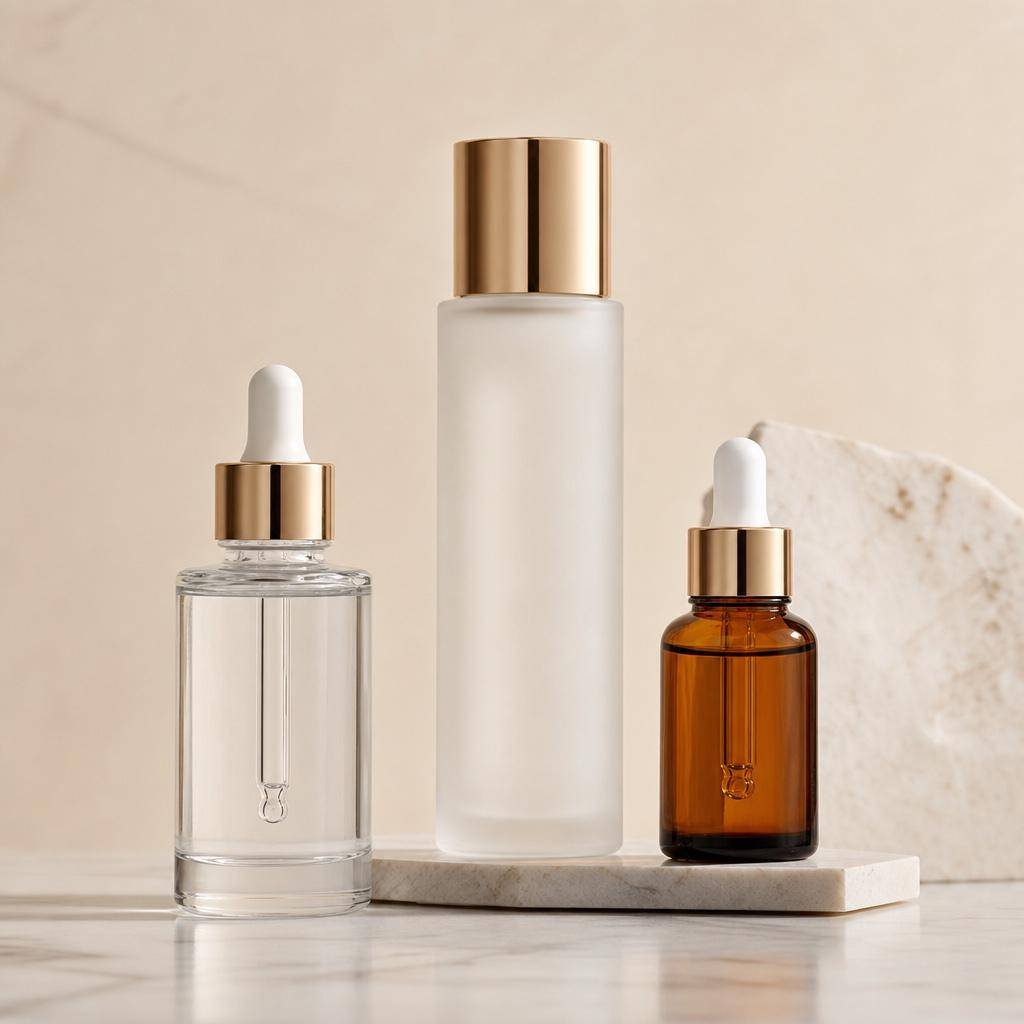
۱. ارتباط صنعت داروسازی با تولید ظروف آرایشی و بهداشتی
صنایع دارویی و آرایشی با وجود تفاوت در نوع محصولات، در یک موضوع اساسی اشتراک دارند: هر دو به بستهبندی ایمن و متناسب با فرمولاسیون نیاز دارند.
در صنعت داروسازی، بستهبندی باید بتواند از محتویات در برابر عوامل محیطی، آلودگی، رطوبت و در برخی موارد نور محافظت کند. همچنین لازم است مصرفکننده بتواند مقدار مشخصی از محصول را بدون تماس مستقیم دست با محتویات استفاده کند.
همین نیازها باعث شده است بسیاری از ساختارهای بستهبندی دارویی در صنعت آرایشی و بهداشتی نیز مورد استفاده قرار بگیرند.
برای نمونه، سیستم قطرهچکان که در گذشته برای مصرف داروهای مایع کاربرد فراوانی داشت، امروزه در بستهبندی سرمهای پوستی، روغنهای مراقبتی، محصولات تقویتکننده و ترکیبات تخصصی زیبایی استفاده میشود.
همچنین بطریهای شیشهای دارویی با طراحیهای متنوعتر، رنگبندی جذاب و درپوشهای اختصاصی، به یکی از گزینههای محبوب برای تولیدکنندگان محصولات آرایشی تبدیل شدهاند.
البته استفاده از یک ظرف مشترک در دو صنعت به معنای یکسان بودن تمام استانداردهای آنها نیست. هر بستهبندی باید متناسب با نوع محصول، ترکیبات، شرایط نگهداری و الزامات قانونی مربوط به همان محصول ارزیابی شود.
۲. چرا انتخاب ظروف آرایشی و بهداشتی اهمیت دارد؟
ظرف محصول یکی از اولین نقاط تماس مشتری با برند است. پیش از آنکه مصرفکننده کیفیت یک سرم یا کرم را تجربه کند، ظاهر بستهبندی، جنس ظرف و نحوه استفاده از آن را مشاهده میکند.
به همین دلیل انتخاب ظروف آرایشی و بهداشتی تنها یک تصمیم ظاهری نیست و از جنبههای مختلف اهمیت دارد.
محافظت از فرمولاسیون محصول
برخی محصولات آرایشی و مراقبتی دارای ترکیبات حساس به نور، اکسیژن، رطوبت یا آلودگی هستند. انتخاب ظرف مناسب میتواند میزان تماس این ترکیبات با عوامل محیطی را کاهش دهد.
برای مثال، در بستهبندی برخی سرمهای پوستی، استفاده از شیشههای رنگی یا سیستمهای بستهبندی با تماس کمتر با هوا میتواند گزینه مناسبی باشد؛ البته انتخاب نهایی به پایداری فرمولاسیون بستگی دارد.
افزایش ماندگاری و حفظ کیفیت
بستهبندی مناسب به حفظ ویژگیهای اولیه محصول کمک میکند. تغییرات رنگ، بو، بافت یا عملکرد محصول ممکن است تحت تأثیر تعامل فرمولاسیون با جنس ظرف یا شرایط نگهداری قرار بگیرد.
بنابراین پیش از تولید انبوه، انجام آزمایشهای سازگاری میان محصول و بستهبندی اهمیت زیادی دارد.
بهبود تجربه مصرفکننده
باز و بسته شدن آسان، کنترل میزان مصرف، جلوگیری از نشت و طراحی ارگونومیک از ویژگیهایی هستند که استفاده از محصول را برای مشتری راحتتر میکنند.
تقویت هویت بصری برند
رنگ، شکل، جنس و نوع درپوش میتوانند شخصیت یک برند را به مشتری منتقل کنند. بستهبندی لوکس، مینیمال، کلاسیک یا مدرن هرکدام پیام متفاوتی دارند و باید با جایگاه محصول در بازار هماهنگ باشند.
۳. شیشه سرم؛ یکی از پرکاربردترین بستهبندیها در محصولات مراقبت پوستی
سرمهای پوستی از جمله محصولاتی هستند که به دلیل فرمولاسیون تخصصی و بافت متفاوت، به بستهبندی متناسب با ویژگیهای خود نیاز دارند.
شیشه سرم یکی از انتخابهای رایج برای نگهداری این محصولات است. این نوع ظرف معمولاً در حجمهای مختلف و با طراحیهای متنوع تولید میشود و میتواند با قطرهچکان، پمپ یا درپوشهای اختصاصی مورد استفاده قرار بگیرد.
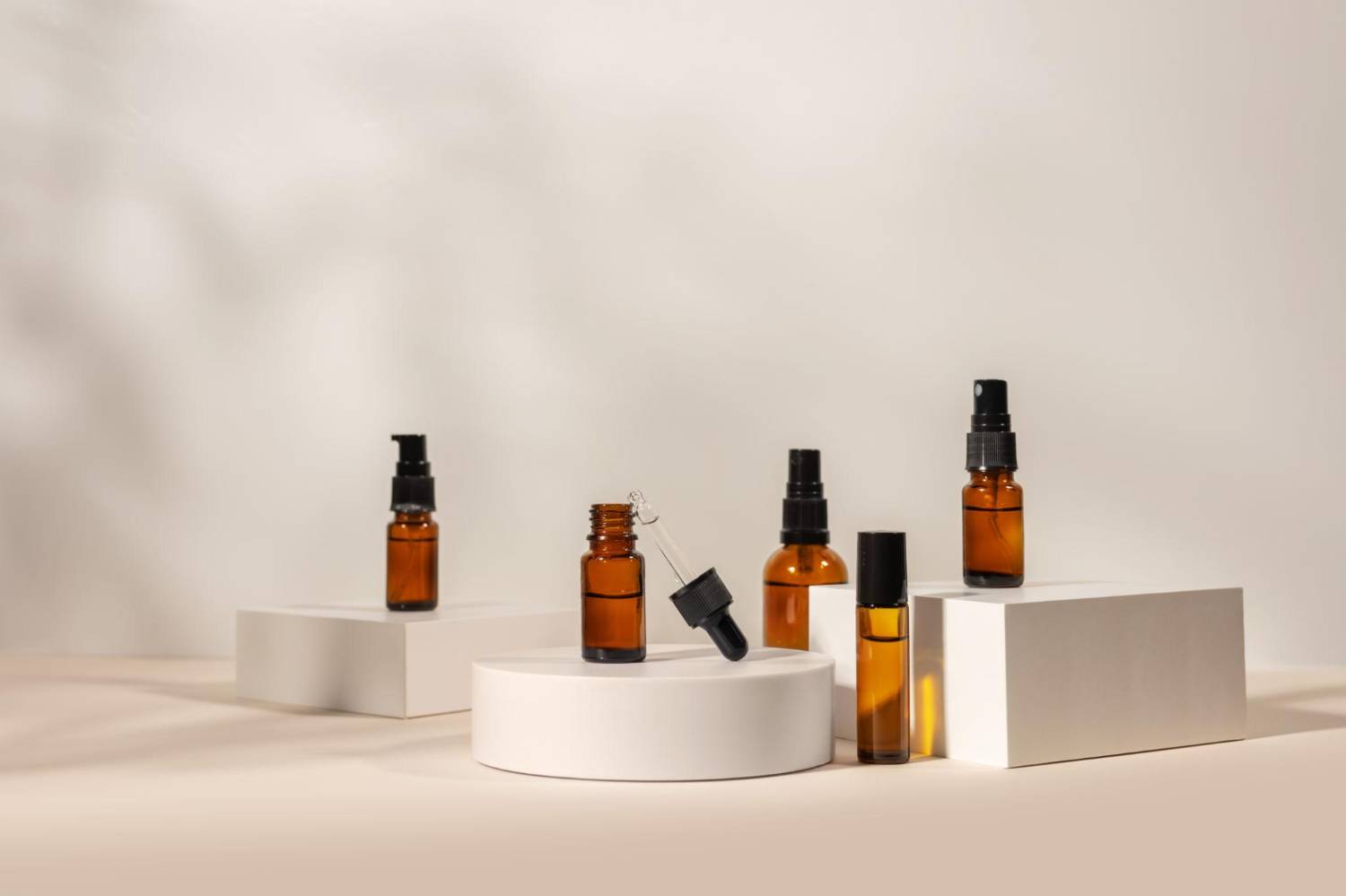
ویژگیهای مهم شیشه سرم
تنوع در طراحی و ظاهر
شیشههای سرم در مدلهای استوانهای، گرد، تخت و طراحیهای اختصاصی تولید میشوند. این تنوع به برندها اجازه میدهد بستهبندی متناسب با هویت بصری خود را انتخاب کنند.
امکان استفاده از شیشههای رنگی
شیشههای شفاف، قهوهای، کهربایی و رنگی از گزینههای موجود برای بستهبندی سرم هستند. انتخاب رنگ مناسب میتواند علاوه بر زیبایی، در کاهش عبور نور از بدنه ظرف مؤثر باشد.
سازگاری با انواع سیستمهای درببندی
بسته به نوع محصول، شیشه سرم میتواند با قطرهچکان یا پمپ مناسب عرضه شود. انتخاب سیستم درببندی باید با غلظت، ویسکوزیته و ویژگیهای شیمیایی محصول هماهنگ باشد.
چه محصولاتی در شیشه سرم بستهبندی میشوند؟
-
سرم ویتامین C
-
سرم هیالورونیک اسید
-
سرمهای آبرسان
-
روغنهای مراقبت از پوست
-
محصولات ضدلک
-
سرمهای تقویتکننده پوست
-
برخی محصولات مراقبت از مو
نکته مهم این است که همه سرمها الزاماً به یک نوع ظرف نیاز ندارند. برای مثال، محصولاتی که نسبت به اکسیژن حساسیت بیشتری دارند ممکن است به سیستم بستهبندی محافظتکنندهتری احتیاج داشته باشند.
۴. شیشه قطره چکان؛ ترکیبی از دقت، بهداشت و سهولت مصرف
شیشه قطره چکان یکی از بستهبندیهای پرکاربرد در صنایع دارویی، آرایشی و بهداشتی است. مهمترین ویژگی این ظرف، امکان برداشت و انتقال کنترلشده مایعات است.
این ویژگی باعث شده است که شیشه قطره چکان برای محصولاتی که به مصرف تدریجی و مقدار مشخص نیاز دارند، انتخاب مناسبی باشد.
اجزای اصلی شیشه قطره چکان
یک ظرف قطرهچکانی معمولاً از چند بخش تشکیل میشود:
۱. بدنه شیشهای: بخش اصلی نگهداری محصول که در حجمها و رنگهای مختلف تولید میشود.
۲. درپوش: برای بستن دهانه ظرف و جلوگیری از خروج محتویات استفاده میشود.
۳. حباب لاستیکی یا پلاستیکی: با فشرده شدن، امکان مکش و انتقال مایع را فراهم میکند.
۴. پیپت یا لوله قطرهچکان: بخش انتقالدهنده مایع از داخل ظرف به بیرون است.
کیفیت هرکدام از این اجزا در عملکرد نهایی بستهبندی تأثیر دارد. برای مثال، اگر قطر پیپت یا جنس حباب با غلظت محصول هماهنگ نباشد، ممکن است مصرفکننده در برداشت محصول با مشکل مواجه شود.
کاربردهای ظرف قطره چکان
ظرف قطره چکان در بستهبندی محصولات مختلفی کاربرد دارد، از جمله:
-
سرمهای مراقبت از پوست
-
روغنهای گیاهی و آرایشی
-
محصولات مراقبت از مو
-
محلولهای تقویتکننده
-
برخی محصولات دارویی و بهداشتی
-
ترکیبات مایع تخصصی
یکی از مزایای این بستهبندی، کاهش نیاز به تماس مستقیم دست با محتویات محصول است. با این حال، قطرهچکان بهتنهایی تضمینکننده استریل بودن یا جلوگیری کامل از آلودگی نیست و رعایت اصول بهداشتی در تولید و مصرف همچنان ضروری است.
۵. تفاوت ظرف سرم و ظرف قطره چکان چیست؟
یکی از پرسشهای رایج تولیدکنندگان تازهکار این است که ظرف سرم چه تفاوتی با ظرف قطره چکان دارد؟
در واقع این دو اصطلاح همیشه به دو محصول کاملاً جداگانه اشاره نمیکنند.
ظرف سرم به بستهبندیای گفته میشود که برای نگهداری محصولات سرمی طراحی شده است؛ اما ظرف قطره چکان به نوعی از سیستم درببندی و انتقال محتویات اشاره دارد.
بنابراین یک شیشه سرم میتواند بهعنوان ظرف قطره چکان نیز مورد استفاده قرار بگیرد.
تفاوت اصلی در نوع کاربرد و طراحی بستهبندی است. برای مثال، برخی سرمها به دلیل بافت سبک و شیوه مصرف خود با قطرهچکان عرضه میشوند؛ درحالیکه برخی دیگر به پمپهای مخصوص نیاز دارند.
در زمان انتخاب باید موارد زیر بررسی شوند:
-
غلظت و میزان روان بودن محصول
-
حساسیت ترکیبات به هوا و نور
-
حجم موردنیاز بستهبندی
-
میزان محصولی که در هر بار مصرف باید خارج شود
-
کیفیت و جنس قطعات درببندی
-
سازگاری مواد بهکاررفته در قطرهچکان با فرمولاسیون
۶. ظرف کرم پودر؛ بستهبندی تخصصی برای محصولات آرایشی
در صنعت آرایش، کرم پودر یکی از محصولاتی است که تنوع زیادی در بافت، ترکیبات و شیوه مصرف دارد. به همین دلیل انتخاب ظرف کرم پودر باید با توجه به ویژگیهای محصول انجام شود.
کرم پودرها ممکن است مایع، کرمی، فشرده یا با بافتهای خاص باشند. هرکدام از این محصولات به بستهبندی متفاوتی نیاز دارند.
انواع بستهبندی کرم پودر
ظروف پمپی
بستهبندی پمپی یکی از گزینههای کاربردی برای کرم پودرهای مایع است. این مدل به مصرفکننده کمک میکند مقدار مشخصی از محصول را خارج کند و تماس مستقیم با محتویات کاهش پیدا کند.
بطریهای شیشهای
برخی برندها از بطریهای شیشهای برای بستهبندی کرم پودر استفاده میکنند. این مدلها به دلیل ظاهر حرفهای و امکان طراحی متنوع، برای محصولات آرایشی با جایگاه لوکس مناسب هستند.
ظروف پلاستیکی
ظروف پلاستیکی به دلیل وزن کمتر و تنوع طراحی در بستهبندی برخی محصولات آرایشی کاربرد دارند. انتخاب نوع پلاستیک باید بر اساس سازگاری آن با فرمولاسیون انجام شود.
ظروف کاسهای یا جار
این مدلها بیشتر برای محصولات کرمی با بافت غلیظ کاربرد دارند. البته برای کرم پودر باید نوع فرمولاسیون و شیوه برداشت محصول در نظر گرفته شود.
هنگام خرید ظرف کرم پودر چه نکاتی مهم است؟
-
کیفیت و مقاومت بدنه ظرف
-
عملکرد مناسب پمپ یا درپوش
-
جلوگیری از نشت محصول
-
سازگاری جنس ظرف با ترکیبات کرم پودر
-
امکان استفاده آسان و کنترل میزان مصرف
-
ظاهر متناسب با هویت برند
-
قابلیت حمل و نگهداری آسان
بستهبندی مناسب میتواند تجربه استفاده از کرم پودر را بهبود دهد و به حرفهایتر دیده شدن محصول کمک کند.
۷. مقایسه شیشه و پلاستیک در تولید ظروف آرایشی و بهداشتی
یکی از تصمیمهای مهم در انتخاب بستهبندی، انتخاب میان شیشه و پلاستیک است. هر دو ماده در صنعت آرایشی و بهداشتی کاربرد گستردهای دارند و انتخاب میان آنها به نوع محصول و اهداف تولیدکننده بستگی دارد.
مزایای ظروف شیشهای
-
ظاهر لوکس و حرفهای
-
مقاومت شیمیایی مناسب در بسیاری از کاربردها
-
امکان استفاده در رنگها و طرحهای مختلف
-
قابلیت بازیافت در صورت وجود زیرساخت مناسب
-
عدم جذب یا آزادسازی برخی ترکیبات در شرایط سازگار
مزایای ظروف پلاستیکی
-
وزن کمتر نسبت به شیشه
-
کاهش احتمال شکستگی
-
تنوع زیاد در شکل و طراحی
-
امکان تولید در حجمهای مختلف
-
سهولت حملونقل در بسیاری از کاربردها
البته شیشه همیشه بهترین گزینه و پلاستیک همیشه گزینه اقتصادیتر نیست. نوع مواد اولیه، ضخامت، طراحی، فرایند تولید و الزامات نگهداری محصول در انتخاب نهایی تأثیر دارند.
برای مثال، اگر محصولی به بستهبندی سبک و مقاوم در برابر ضربه نیاز داشته باشد، پلاستیک سازگار میتواند انتخاب مناسبی باشد. در مقابل، برای برخی سرمها و محصولات مراقبتی، شیشه به دلیل ویژگیهای ظاهری و مقاومت شیمیایی میتواند گزینه مطلوبی باشد.
۸. نقش رنگ و طراحی در انتخاب بستهبندی محصولات زیبایی
بستهبندی علاوه بر وظیفه محافظت از محصول، یکی از ابزارهای مهم بازاریابی برند است.
رنگ و طراحی ظرف میتوانند احساسات و انتظارات متفاوتی در مشتری ایجاد کنند. برای مثال:
-
شیشه شفاف: نمایش رنگ و ظاهر محصول
-
شیشه کهربایی: کاهش عبور بخشی از نور و ایجاد ظاهری کلاسیک
-
شیشه مات: ایجاد جلوهای مینیمال و مدرن
-
شیشه رنگی: هماهنگی با هویت بصری برند
-
طراحی ساده و استوانهای: انتقال حس نظم و سادگی
-
طراحی اختصاصی: ایجاد تمایز در بازار رقابتی
البته انتخاب رنگ نباید صرفاً بر اساس زیبایی انجام شود. اگر فرمولاسیون محصول به نور حساس باشد، میزان محافظت واقعی ظرف در برابر طول موجهای مختلف باید بررسی شود.
۹. تأثیر بستهبندی بر ماندگاری و ایمنی محصولات
یکی از مهمترین وظایف بستهبندی، محافظت از محتویات در طول دوره نگهداری و مصرف است.
عوامل مختلفی میتوانند کیفیت محصولات آرایشی و بهداشتی را تحت تأثیر قرار دهند. از جمله:
تماس با اکسیژن: برخی ترکیبات در مواجهه با اکسیژن دچار اکسیداسیون میشوند و ممکن است رنگ، بو یا عملکرد آنها تغییر کند.
نور محیط: برخی مواد فعال به نور حساس هستند و به بستهبندی محافظتکننده نیاز دارند.
رطوبت: ورود رطوبت میتواند بر کیفیت برخی محصولات اثر بگذارد.
آلودگی میکروبی: طراحی مناسب دهانه، درپوش و سیستم برداشت محصول میتواند به کاهش احتمال آلودگی کمک کند.
تغییرات دما: بستهبندی باید در شرایط نگهداری تعریفشده، پایداری و عملکرد مناسبی داشته باشد.
به همین دلیل، تولیدکنندگان باید پیش از عرضه محصول، آزمونهای سازگاری بستهبندی، پایداری و عملکرد درببندی را انجام دهند.
۱۰. چگونه بستهبندی مناسب محصول خود را انتخاب کنیم؟
برای انتخاب بهترین ظروف آرایشی و بهداشتی، بهتر است تصمیمگیری بر اساس یک فرایند مشخص انجام شود.
مرحله اول: شناخت دقیق محصول
ابتدا باید نوع محصول، بافت، غلظت، ترکیبات و میزان حساسیت آن به عوامل محیطی مشخص شود.
مرحله دوم: تعیین روش مصرف
آیا محصول باید با قطرهچکان استفاده شود؟ آیا به پمپ نیاز دارد؟ آیا مصرفکننده باید مقدار زیادی از آن را در هر بار استفاده برداشت کند؟
پاسخ به این پرسشها نوع بستهبندی را مشخص میکند.
مرحله سوم: انتخاب جنس ظرف
با توجه به فرمولاسیون، میتوان میان شیشه، پلاستیک یا سایر مواد سازگار انتخاب کرد.
مرحله چهارم: بررسی حجم و ابعاد
حجم ظرف باید با میزان مصرف و جایگاه محصول در بازار هماهنگ باشد. برای مثال، شیشه سرم در حجمهای کوچک میتواند برای محصولات تخصصی و غلیظ مناسب باشد.
مرحله پنجم: آزمایش نمونه بستهبندی
پیش از سفارش عمده باید نمونه ظرف با محصول واقعی بررسی شود. آزمایش نشتی، سازگاری شیمیایی، عملکرد قطرهچکان یا پمپ و پایداری محصول از اقدامات ضروری این مرحله هستند.
مرحله ششم: توجه به هزینه و تیراژ تولید
قیمت ظرف، هزینه حملونقل، تعداد سفارش، نوع چاپ و بستهبندی نهایی باید در محاسبات تولید لحاظ شوند.
۱۱. اشتباهات رایج در انتخاب ظروف آرایشی و بهداشتی
بسیاری از مشکلات بستهبندی به دلیل انتخاب نادرست ظرف در ابتدای فرایند تولید اتفاق میافتند. برخی از اشتباهات رایج عبارتاند از:
-
انتخاب ظرف صرفاً بر اساس ظاهر و قیمت
-
بیتوجهی به سازگاری ظرف با فرمولاسیون
-
استفاده از قطرهچکان نامناسب برای محصولات غلیظ
-
نادیده گرفتن کیفیت درپوش و آببندی
-
انتخاب حجم نامتناسب با میزان مصرف
-
انجام ندادن تست نشتی پیش از تولید انبوه
-
بیتوجهی به شرایط حملونقل و انبارداری
-
نادیده گرفتن تجربه مصرفکننده در زمان استفاده
پرهیز از این اشتباهات میتواند هزینههای ناشی از تعویض بستهبندی، برگشت محصول و نارضایتی مشتری را کاهش دهد.
۱۲. آینده بستهبندی در صنعت آرایشی و بهداشتی
صنعت بستهبندی محصولات زیبایی همواره در حال تغییر است. افزایش آگاهی مصرفکنندگان، توسعه فناوریهای تولید و توجه به مسائل زیستمحیطی باعث شده است تولیدکنندگان به دنبال راهکارهای جدید باشند.
برخی از روندهای مهم این صنعت عبارتاند از:
بستهبندیهای پایدار: استفاده از مواد قابل بازیافت، کاهش وزن بستهبندی و طراحیهایی با مصرف کمتر مواد اولیه از موضوعات مهم آینده هستند.
طراحیهای مینیمال: بسیاری از برندها به سمت طراحی ساده، کاربردی و در عین حال شیک حرکت کردهاند.
سیستمهای برداشت هوشمند: پمپهای دقیقتر و بستهبندیهای با تماس کمتر با هوا میتوانند تجربه مصرف را بهبود دهند.
شخصیسازی بستهبندی: برندها به دنبال طراحیهایی هستند که هویت بصری اختصاصی آنها را بهتر نمایش دهد.
توجه بیشتر به عملکرد بستهبندی: در آینده، علاوه بر ظاهر ظرف، سازگاری آن با فرمولاسیون، سهولت استفاده و قابلیت بازیافت اهمیت بیشتری خواهد داشت.
۱۳. چرا انتخاب تأمینکننده مناسب ظروف اهمیت دارد؟
حتی اگر تولیدکننده بهترین فرمولاسیون را در اختیار داشته باشد، انتخاب بستهبندی نامناسب میتواند بر کیفیت نهایی محصول و رضایت مشتری تأثیر بگذارد.
به همین دلیل، انتخاب تأمینکننده معتبر برای تهیه شیشه سرم، شیشه قطره چکان، ظرف سرم، ظرف قطره چکان و سایر ظروف آرایشی و بهداشتی اهمیت زیادی دارد.
یک تأمینکننده مناسب باید بتواند اطلاعات کافی درباره مشخصات فنی محصولات، جنس بدنه، نوع درپوش، حجم، ابعاد و کاربرد هر ظرف ارائه دهد.
همچنین دسترسی به تنوع مدلها، کیفیت یکنواخت محصولات، امکان تأمین سفارش در تیراژ موردنیاز و ارائه اطلاعات دقیق درباره بستهبندی، از عواملی هستند که باید هنگام انتخاب تأمینکننده بررسی شوند.
مجموعه عاج با ارائه انواع بستهبندیهای مورد استفاده در صنعت زیبایی، میتواند به تولیدکنندگان و فعالان این حوزه در شناخت گزینههای مختلف بستهبندی کمک کند.
جمعبندی؛ بستهبندی مناسب، بخشی از کیفیت محصول است
بستهبندی محصولات چندمنظوره نشان میدهد که چگونه طراحیها و فناوریهای مورد استفاده در صنعت داروسازی میتوانند در تولید محصولات آرایشی و بهداشتی نیز کاربرد داشته باشند.
از شیشه سرم و شیشه قطره چکان گرفته تا ظرف سرم، ظرف قطره چکان و ظرف کرم پودر، هر نوع بستهبندی باید با توجه به ویژگیهای محصول، فرمولاسیون، روش مصرف و انتظارات مشتری انتخاب شود.
در نهایت، یک بستهبندی موفق باید سه ویژگی اصلی داشته باشد: محافظت مناسب از محصول، سهولت استفاده و طراحی متناسب با هویت برند.
اگر تولیدکننده محصولات آرایشی و بهداشتی هستید، پیش از انتخاب ظرف نهایی، علاوه بر ظاهر و قیمت، به سازگاری بستهبندی با محصول و عملکرد آن در شرایط واقعی مصرف توجه کنید. این انتخاب میتواند نقش مهمی در افزایش کیفیت تجربه مشتری و موفقیت برند شما در بازار داشته باشد.
Multi-Purpose Packaging: From Pharmaceutical Glass Bottles to Modern Cosmetic Containers
Packaging is one of the most important factors influencing the quality, shelf life, safety, and visual appeal of cosmetic and personal care products. With the continuous growth of the beauty industry and the increasing variety of skincare and haircare products, choosing the right packaging has become a major concern for manufacturers.
Today, packaging is no longer considered merely a container for holding a product. It plays an essential role in protecting the formulation, ensuring convenient use, maintaining product hygiene, and influencing customers' purchasing decisions.
One of the interesting developments in the packaging industry is the use of similar designs and technologies across pharmaceutical and cosmetic applications. Many containers that were traditionally used for pharmaceutical products are now widely used in the beauty industry, with modifications to their design and structure.
Glass serum bottles, dropper bottles, serum containers, and various foundation packaging options are examples of specialized packaging solutions selected according to product characteristics and consumer needs.
In this article, we explore the relationship between pharmaceutical and cosmetic packaging, examine the key factors involved in choosing suitable containers, and explain why packaging design and quality play an important role in product success.
1. The Connection Between the Pharmaceutical and Cosmetic Packaging Industries
Although the pharmaceutical and cosmetic industries manufacture different types of products, they share one fundamental requirement: both need safe and suitable packaging.
In the pharmaceutical industry, packaging must protect its contents against environmental factors, contamination, moisture, and, in some cases, light exposure. It should also allow consumers to dispense a specific amount of product without direct contact with the contents.
These requirements have encouraged the adoption of many pharmaceutical packaging designs in the cosmetics and personal care industries.
For example, dropper systems, traditionally used for liquid medicines, are now widely used for facial serums, skincare oils, haircare products, and specialized beauty formulations.
Similarly, pharmaceutical glass bottles are now available in more attractive designs, various colors, and different closure options, making them popular choices among cosmetic manufacturers.
However, using similar containers in both industries does not mean that their standards and requirements are identical. Each packaging solution must be evaluated according to the product formulation, ingredients, storage conditions, and applicable regulatory requirements.
2. Why Is Choosing the Right Cosmetic Packaging Important?
Packaging is one of the first points of contact between a customer and a brand. Before experiencing the quality of a serum or cream, consumers notice the appearance, material, and ease of use of its packaging.
For this reason, selecting cosmetic and personal care containers is not simply an aesthetic decision. It is important for several reasons.
Protecting the Product Formulation
Some cosmetic and skincare products contain ingredients that are sensitive to light, oxygen, moisture, or contamination. Choosing suitable packaging can help reduce their exposure to environmental factors.
For example, colored glass bottles or packaging systems designed to minimize air exposure may be suitable for certain skincare serums, depending on their formulation and stability requirements.
Maintaining Product Quality and Shelf Life
Appropriate packaging helps preserve a product's original characteristics. Changes in color, odor, texture, or performance may occur due to interactions between the formulation and packaging material or because of improper storage conditions.
Therefore, compatibility testing between the product and its packaging is essential before mass production.
Improving the Consumer Experience
Easy opening and closing, controlled dispensing, leak prevention, and ergonomic design are all features that make products more convenient to use.
Strengthening Brand Identity
The color, shape, material, and closure design of a container can communicate a brand's personality to customers. Luxury, minimalist, classic, and modern packaging styles each create a different impression and should match the product's market positioning.
3. Glass Serum Bottles: A Popular Choice for Skincare Products
Skincare serums are among the products that require packaging specifically suited to their formulation and texture.
Glass serum bottles are one of the most common packaging options for these products. They are available in different capacities and designs and can be equipped with droppers, pumps, or specialized closures.
Key Features of Glass Serum Bottles
Variety of Designs
Serum bottles are available in cylindrical, round, flat, and customized shapes. This variety allows brands to select packaging that matches their visual identity.
Availability of Colored Glass
Clear, frosted, amber, and colored glass bottles are among the available options. Choosing the right color can enhance the product's appearance and, depending on the glass specifications, help reduce light transmission.
Compatibility with Different Closure Systems
Depending on the product, a glass serum bottle can be fitted with a dropper or a suitable pump. The closure system should be selected according to the product's viscosity and chemical characteristics.
Which Products Can Be Packaged in Glass Serum Bottles?
-
Vitamin C serums
-
Hyaluronic acid serums
-
Hydrating serums
-
Facial care oils
-
Anti-dark-spot serums
-
Specialized skincare serums
-
Certain haircare products
It is important to note that not all serums require the same type of packaging. Products that are particularly sensitive to oxygen, for example, may require packaging systems offering greater protection.
4. Dropper Bottles: Combining Precision, Hygiene, and Convenience
Dropper bottles are widely used in the pharmaceutical, cosmetic, and personal care industries. Their main advantage is the ability to dispense and transfer liquids in a controlled manner.
This feature makes dropper bottles a suitable choice for products that require gradual application or controlled dispensing.
Main Components of a Dropper Bottle
A typical dropper bottle consists of several components:
-
Glass Bottle: The main container that holds the product and is available in different sizes and colors.
-
Closure: Seals the bottle opening and helps prevent leakage.
-
Rubber or Plastic Bulb: When squeezed, it creates suction to draw liquid into the dropper.
-
Pipette or Dropper Tube: Transfers the liquid from inside the bottle to the outside.
The quality of each component affects the overall performance of the packaging. For example, if the pipette diameter or bulb material is unsuitable for the product's viscosity, consumers may experience difficulties when dispensing it.
Applications of Dropper Bottles
Dropper bottles are commonly used for packaging:
-
Facial serums
-
Cosmetic and skincare oils
-
Haircare products
-
Strengthening solutions
-
Certain pharmaceutical and personal care products
-
Specialized liquid formulations
One advantage of this packaging is that it reduces the need for direct hand contact with the product. However, a dropper system alone does not guarantee sterility or completely prevent contamination. Proper hygiene practices during manufacturing and use remain essential.
5. What Is the Difference Between a Serum Container and a Dropper Bottle?
One common question among new manufacturers is the difference between a serum container and a dropper bottle.
In fact, these terms do not always refer to two completely different products.
A serum container refers to packaging designed to hold serum products, while a dropper bottle refers to a specific closure and dispensing system.
Therefore, a glass serum bottle can also function as a dropper bottle.
The main difference lies in the packaging design and intended application. For example, some serums are supplied with droppers because of their lightweight texture and application method, while others require specialized pumps.
The following factors should be considered when selecting the appropriate packaging:
-
Product viscosity and flow characteristics
-
Sensitivity of ingredients to air and light
-
Required packaging capacity
-
Amount of product dispensed per use
-
Quality and material of closure components
-
Compatibility of dropper materials with the formulation
6. Foundation Packaging: Specialized Containers for Cosmetic Products
In the makeup industry, foundation is one of the products with a wide range of textures, formulations, and application methods. Therefore, choosing the right foundation container requires careful consideration of the product's characteristics.
Foundations may be liquid, cream-based, compact, or formulated with specialized textures. Each type may require a different packaging solution.
Types of Foundation Packaging
Pump Containers
Pump packaging is a practical option for liquid foundations. It allows consumers to dispense a controlled amount of product while reducing direct contact with the contents.
Glass Bottles
Some brands use glass bottles for foundation packaging. Their professional appearance and design versatility make them suitable for premium cosmetic products.
Plastic Containers
Plastic containers are widely used for certain cosmetic products because of their lower weight and design flexibility. The selected plastic material must be compatible with the product formulation.
Jars and Cream Containers
These containers are more commonly used for thick cream-based products. However, the formulation and dispensing method should be considered when selecting this type of packaging for foundation products.
What Should You Consider When Choosing Foundation Packaging?
-
Container quality and durability
-
Proper pump or closure performance
-
Prevention of product leakage
-
Compatibility between packaging materials and the foundation formula
-
Ease of use and controlled dispensing
-
Appearance consistent with brand identity
-
Convenient storage and transportation
Suitable packaging can improve the foundation application experience and help create a more professional product presentation.
7. Comparing Glass and Plastic in Cosmetic Packaging
One of the most important packaging decisions is choosing between glass and plastic. Both materials are widely used in the cosmetic and personal care industries, and the final choice depends on the product type and manufacturer's objectives.
Advantages of Glass Containers
-
Premium and professional appearance
-
Good chemical resistance in many applications
-
Availability in different colors and designs
-
Recyclability where suitable recycling facilities exist
-
Low interaction with certain formulations under compatible conditions
Advantages of Plastic Containers
-
Lower weight compared to glass
-
Reduced risk of breakage
-
Wide variety of shapes and designs
-
Availability in different sizes
-
Convenient transportation in many applications
However, glass is not always the best option, and plastic is not necessarily the most economical choice. Material specifications, thickness, design, manufacturing processes, and product storage requirements all influence the final decision.
For example, if a product requires lightweight and impact-resistant packaging, compatible plastic may be a suitable option. On the other hand, glass may be preferable for certain serums and skincare products because of its appearance and chemical resistance.
8. The Role of Color and Design in Cosmetic Packaging
In addition to protecting the product, packaging is an important marketing tool for beauty brands.
Colors and container designs can create different emotions and expectations among customers. For example:
-
Clear glass: Allows the product's color and appearance to be visible.
-
Amber glass: Reduces the transmission of some light wavelengths and creates a classic appearance.
-
Frosted glass: Provides a modern and minimalist look.
-
Colored glass: Helps match packaging with brand identity.
-
Simple cylindrical designs: Communicate simplicity and organization.
-
Custom designs: Help brands stand out in competitive markets.
However, color selection should not be based on appearance alone. If a formulation is light-sensitive, the actual protective performance of the container against different wavelengths should be evaluated.
9. How Does Packaging Affect Product Shelf Life and Safety?
One of the most important functions of packaging is protecting product contents throughout storage and use.
Various factors can affect the quality of cosmetic and personal care products, including:
Oxygen Exposure
Some ingredients undergo oxidation when exposed to oxygen, which may cause changes in color, odor, or performance.
Light Exposure
Certain active ingredients are sensitive to light and may require protective packaging.
Moisture
Moisture penetration can affect the quality of some formulations.
Microbial Contamination
Appropriate container openings, closures, and dispensing systems can help reduce the risk of contamination.
Temperature Changes
Packaging should maintain its integrity and performance under the specified storage conditions.
For these reasons, manufacturers should conduct packaging compatibility tests, stability studies, and closure performance assessments before launching a product.
10. How to Choose the Right Packaging for Your Product
Selecting the best cosmetic and personal care containers should follow a structured process.
Step 1: Understand the Product
First, identify the product type, texture, viscosity, ingredients, and sensitivity to environmental factors.
Step 2: Determine the Dispensing Method
Should the product be applied using a dropper? Does it require a pump? Should consumers dispense a larger amount each time?
The answers to these questions help determine the appropriate packaging system.
Step 3: Select the Container Material
Depending on the formulation, manufacturers can choose between glass, plastic, or other compatible materials.
Step 4: Determine the Required Capacity and Dimensions
Container capacity should match product usage and market positioning. For example, smaller glass serum bottles may be suitable for specialized skincare products.
Step 5: Test the Packaging Sample
Before placing a bulk order, the packaging sample should be tested with the actual product. Leakage testing, chemical compatibility, dropper or pump performance, and product stability are essential considerations.
Step 6: Consider Production Costs and Order Quantity
Container prices, transportation costs, order quantities, printing, and final packaging expenses should all be included in production calculations.
11. Common Mistakes When Choosing Cosmetic and Personal Care Containers
Many packaging problems occur because containers are selected without sufficient evaluation at the beginning of the production process.
Common mistakes include:
-
Choosing containers based only on appearance and price
-
Ignoring compatibility between the container and formulation
-
Using unsuitable droppers for thick products
-
Overlooking closure quality and sealing performance
-
Selecting inappropriate container capacities
-
Skipping leakage tests before mass production
-
Ignoring transportation and storage conditions
-
Neglecting the consumer's experience during product use
Avoiding these mistakes can reduce costs associated with packaging replacement, product returns, and customer dissatisfaction.
12. The Future of Packaging in the Cosmetic and Personal Care Industry
The beauty packaging industry is constantly evolving. Growing consumer awareness, advances in manufacturing technologies, and increasing environmental concerns have encouraged manufacturers to explore new packaging solutions.
Some of the important trends include:
Sustainable Packaging
The use of recyclable materials, reduced packaging weight, and designs that require fewer raw materials are becoming increasingly important.
Minimalist Designs
Many brands are moving toward simple, functional, and elegant packaging styles.
Advanced Dispensing Systems
More precise pumps and packaging systems designed to reduce air exposure can improve the consumer experience.
Customized Packaging
Brands are increasingly looking for unique designs that better communicate their visual identity.
Greater Focus on Packaging Performance
In addition to appearance, material compatibility, ease of use, and recyclability are expected to play an increasingly important role in future packaging decisions.
13. Why Is Choosing the Right Packaging Supplier Important?
Even when a manufacturer has an excellent product formulation, unsuitable packaging can negatively affect product quality and customer satisfaction.
For this reason, choosing a reliable supplier for glass serum bottles, dropper bottles, serum containers, dropper containers, and other cosmetic packaging products is essential.
A suitable supplier should provide accurate information about product specifications, body materials, closure types, capacities, dimensions, and intended applications.
A wide selection of packaging options, consistent product quality, the ability to supply the required order quantities, and detailed product information are also important factors to consider when selecting a supplier.
Aaj Collection provides access to a variety of packaging solutions used in the beauty industry, helping manufacturers and professionals explore different options and identify suitable containers for their products.
Conclusion: The Right Packaging Is Part of Product Quality
Multi-purpose packaging demonstrates how designs and technologies originally developed for the pharmaceutical industry can also be used in cosmetic and personal care manufacturing.
From glass serum bottles and dropper bottles to serum containers, dropper containers, and foundation packaging, every packaging solution should be selected according to the product's characteristics, formulation, dispensing method, and consumer expectations.
Ultimately, successful packaging should offer three essential qualities: effective product protection, ease of use, and a design that reflects the brand's identity.
If you manufacture cosmetic or personal care products, consider more than just appearance and price when selecting your packaging. Product compatibility and performance under real usage conditions are equally important. The right packaging choice can play a significant role in improving the customer experience and strengthening your brand's position in the market.