بستهبندی هوشمند در محصولات آرایشی؛ از خیال تا واقعیت
صنعت آرایشی و بهداشتی یکی از سریعترین بازارهای در حال رشد جهان است و رقابت بین برندها روزبهروز بیشتر میشود. در این بازار، بستهبندی نهتنها وسیله محافظت از محصول بلکه ابزاری استراتژیک برای جذب و حفظ مشتری محسوب میشود. امروزه با پیشرفت تکنولوژی، بستهبندی هوشمند به یکی از نوآوریهای مهم تبدیل شده است. بستهبندی هوشمند به مصرفکننده اطلاعات بیشتر، تعامل بهتر و تجربهای شخصیتر ارائه میدهد و به برندها کمک میکند در بازار رقابتی متمایز شوند.
۱. بستهبندی هوشمند چیست؟
بستهبندی هوشمند نوعی بستهبندی است که فراتر از محافظت و زیبایی محصول عمل میکند و قابلیت تعامل با مصرفکننده و محیط را دارد. این بستهبندی با استفاده از فناوریهای دیجیتال، حسگرها، برچسبهای هوشمند یا سیستمهای اتصال به موبایل، اطلاعاتی مانند تاریخ مصرف، ترکیبات محصول، هشدارهای نگهداری یا اصالت کالا را در اختیار مشتری قرار میدهد.
ویژگیهای کلیدی بستهبندی هوشمند:
اطلاعات دیجیتال محصول: مصرفکننده میتواند با اسکن کد، اطلاعات کامل محصول را دریافت کند.
حسگرهای محیطی: مانیتور دما و رطوبت برای حفظ کیفیت مواد فعال.
سیستمهای امنیتی: امکان تشخیص اصالت محصول و جلوگیری از تقلب.
ارتباط برند با مشتری: ارائه محتواهای آموزشی، ویدئوهای آموزشی و پیشنهادهای محصول.
۲. تکنولوژیهای نوین در بستهبندی هوشمند
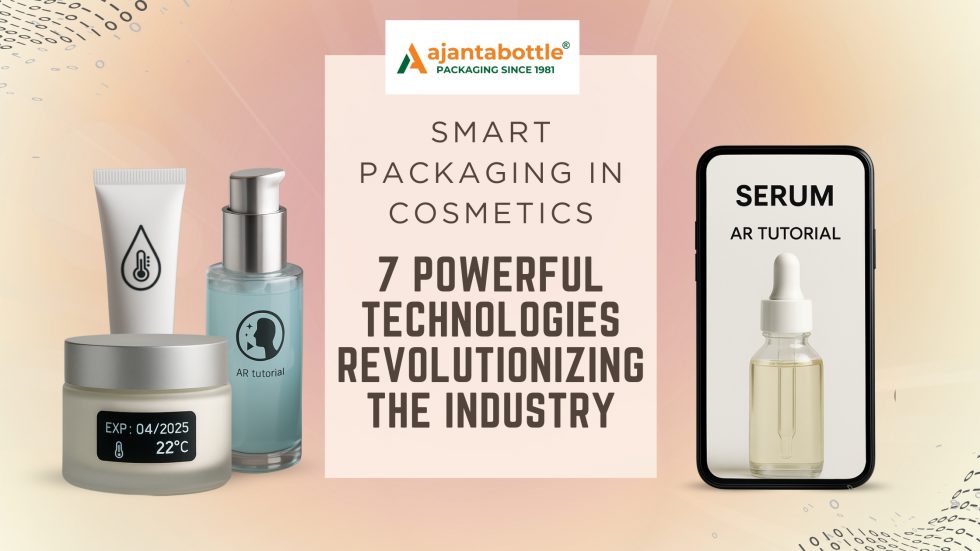
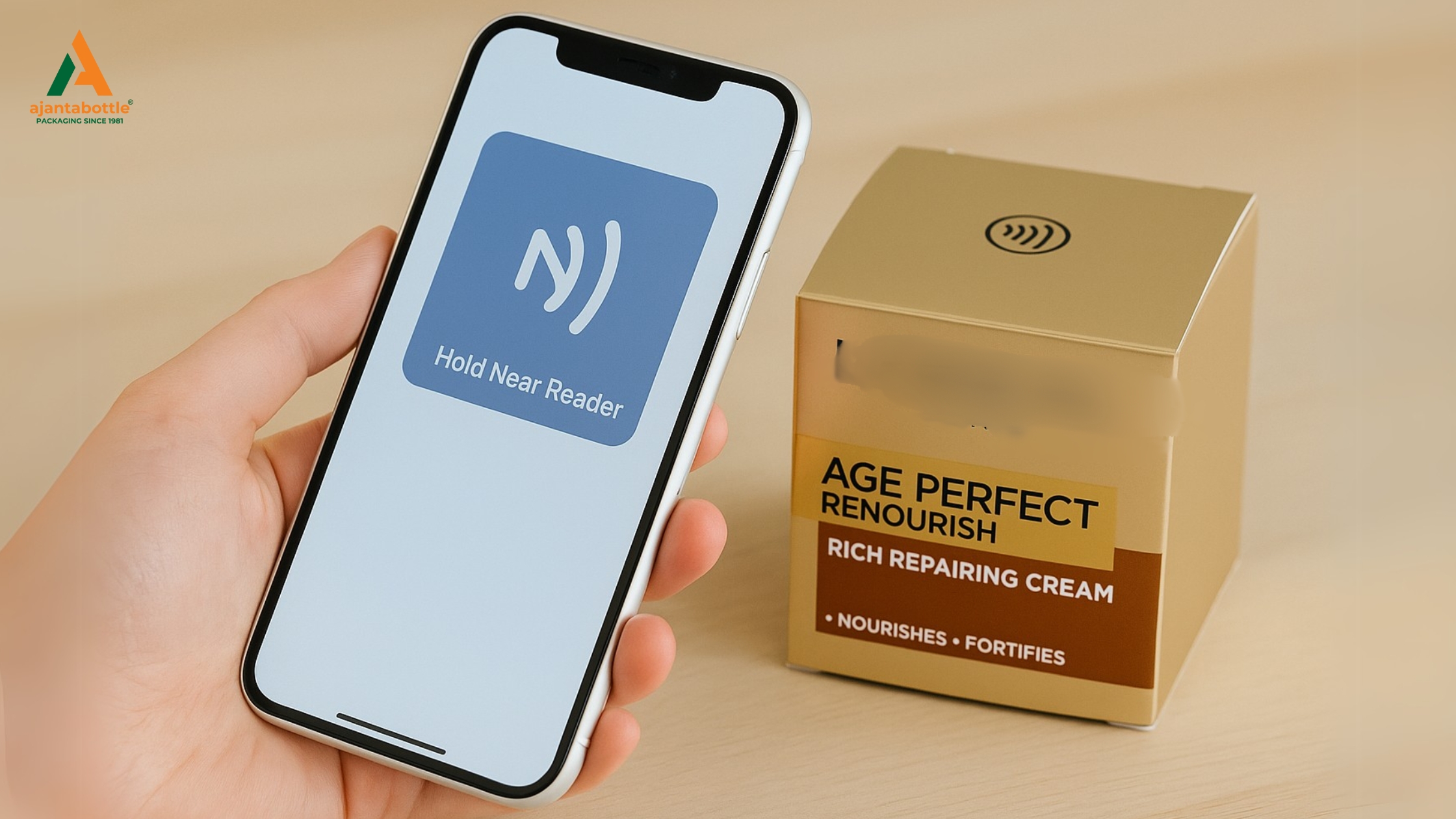
QR Code و NFC: پرکاربردترین ابزارهای دیجیتال برای ارائه اطلاعات محصول، راهنمای مصرف و تشخیص اصالت.
حسگرهای دما و رطوبت: برای محافظت از ترکیبات حساس مانند ویتامین C و هیالورونیک اسید در سرمها و روغنها.
نمایشگرهای LED کوچک روی شیشه یا جعبه: ارائه پیام برند، اعلانهای تعاملی یا تغییر رنگ برای نشان دادن وضعیت محصول.
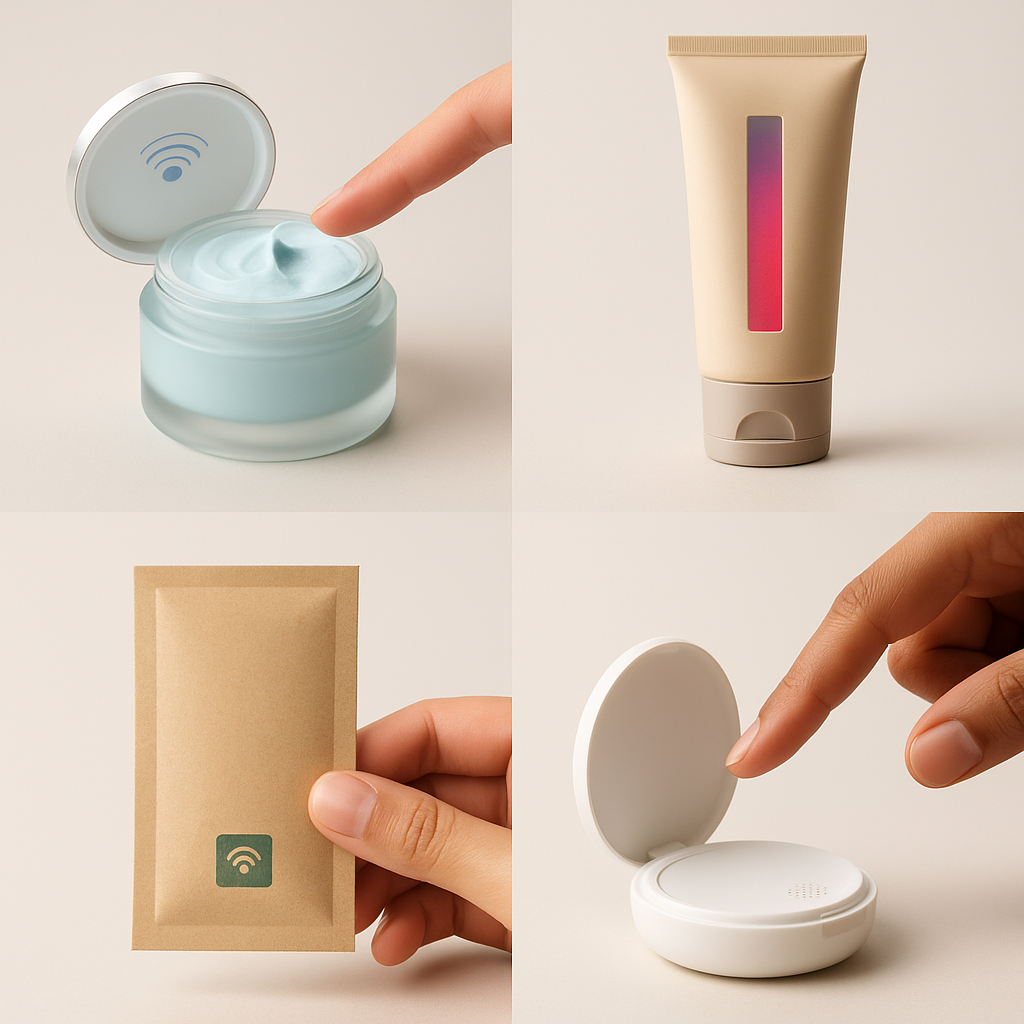
برچسبهای ضدتقلب دیجیتال: امکان اسکن و تایید اصالت محصول برای مشتریان و فروشگاهها.
ارتباط اینترنت اشیا (IoT): بستهبندیهای پیشرفته که با اپلیکیشن موبایل همگام میشوند و اطلاعات مصرف و هشدارهای مهم را به کاربر اطلاع میدهند.
۳. مزایای بستهبندی هوشمند برای برندها و مصرفکننده
الف) برای برندها:
افزایش وفاداری مشتری: ارائه تجربه جذاب و شخصی باعث میشود مشتری به برند وفادار شود.
تمایز از رقبا: بستهبندی هوشمند، برند را از محصولات سنتی متمایز میکند.
تحلیل رفتار مشتری: دادههای جمعآوریشده از تعاملات دیجیتال به برندها کمک میکند نیازهای مشتری را بهتر درک کنند.
کاهش تقلب و کالای تقلبی: سیستمهای ضدتقلب باعث افزایش اعتماد مشتری میشوند.
ب) برای مصرفکننده:
اطلاعات شفاف و قابل دسترس: مصرفکننده میتواند ترکیبات، تاریخ مصرف و روش صحیح استفاده را بهراحتی بدست آورد.
افزایش امنیت و بهداشت محصول: هشدارهای نگهداری و شرایط محیطی مناسب، از خراب شدن و آلودگی محصول جلوگیری میکند.
تجربه خرید لذتبخش: تعامل دیجیتال با بستهبندی، حس مدرن و لوکس بودن محصول را القا میکند.
۴. نمونههای موفق جهانی
L’Oréal: استفاده از QR Code روی بستهبندی محصولات پوستی برای ارائه راهنمای مصرف و اصالت محصول.
Shiseido: شیشههای سرم با حسگر دما برای حفظ مواد فعال.
SK-II: بستهبندی هوشمند با NFC برای آموزش استفاده از محصول و بررسی اصالت.
Estee Lauder: برخی محصولات با LED کوچک و تغییر رنگ شیشه برای نمایش وضعیت محصول عرضه میشوند.
۵. چالشها و محدودیتها
هزینه تولید: بستهبندی هوشمند هزینه بیشتری نسبت به بستهبندی سنتی دارد، اما مزایای بلندمدت آن میتواند این هزینه را جبران کند.
پذیرش بازار: مصرفکنندگان و تولیدکنندگان هنوز با فناوریهای جدید آشنا نیستند و نیاز به آموزش دارند.
نگهداری و تعمیر: فناوریهای دیجیتال ممکن است به مراقبت بیشتری نیاز داشته باشند و در شرایط سخت محیطی آسیب ببینند.
۶. آینده بستهبندی هوشمند در ایران
با رشد بازار آرایشی و بهداشتی و افزایش آگاهی مشتریان، استفاده از بستهبندی هوشمند در ایران نیز رونق میگیرد. تولیدکنندگان ایرانی میتوانند با اجرای تکنولوژیهای ساده مانند QR Code و NFC، تجربه دیجیتال مشتری را بهبود دهند و رقابت خود را در بازار افزایش دهند. همچنین، با گسترش فروش آنلاین و شبکههای اجتماعی، بستهبندی هوشمند به ابزاری حیاتی برای برندینگ و بازاریابی تبدیل خواهد شد.
بستهبندی هوشمند ترکیبی از زیبایی، فناوری و کاربرد عملی است. این نوآوری، تجربه مشتری را به سطحی فراتر از بستهبندی سنتی میبرد، اعتماد مصرفکننده را افزایش میدهد و امکان جمعآوری دادههای ارزشمند برای برندها را فراهم میکند. برندهایی که بستهبندی هوشمند را جدی میگیرند، نه تنها در بازار رقابتی جلوتر هستند بلکه مشتریان وفادار و راضیتری خواهند داشت.
Smart Packaging in Cosmetic Products: From Concept to Reality
With technology entering every aspect of life, the cosmetics and personal care industry is no exception. One of the most significant innovations in this field is smart packaging. Smart packaging not only enhances the product’s appearance but also significantly improves customer experience and brand trust. In this article, we will explore the technologies, benefits, and successful global examples of smart packaging.
1. What is Smart Packaging?
Smart packaging goes beyond mere protection and aesthetics. It can interact with consumers and the environment by providing information, alerts, or digital engagement. Using technologies such as QR codes, NFC chips, smart labels, and sensors, smart packaging can deliver details about the product’s expiration date, ingredients, usage instructions, or authenticity directly to the consumer.
Key Features:
Digital product information: Customers can access complete product details by scanning the code.
Environmental sensors: Monitor temperature and humidity to maintain the integrity of active ingredients.
Security systems: Verify product authenticity and prevent counterfeiting.
Consumer engagement: Provide tutorials, videos, or personalized product recommendations.
2. Modern Technologies in Smart Packaging
QR Codes & NFC: The most common tools for providing product information, usage instructions, and authenticity verification.
Temperature and Humidity Sensors: Protect sensitive ingredients like Vitamin C or hyaluronic acid in serums and oils.
Mini LED Displays: Display brand messages, interactive alerts, or change colors to indicate product status.
Digital Anti-Counterfeit Labels: Ensure product authenticity for both consumers and retailers.
IoT Integration: Advanced packaging connected to mobile apps to track usage, send notifications, and enhance customer experience.
3. Benefits of Smart Packaging
For Brands:
Increased customer loyalty: Interactive experiences make customers more likely to return.
Differentiation from competitors: Smart packaging distinguishes a brand from traditional products.
Consumer insights: Data from digital interactions helps brands better understand customer behavior.
Fraud reduction: Anti-counterfeit technologies build consumer trust.
For Consumers:
Transparent information: Easy access to ingredients, expiration dates, and proper usage instructions.
Enhanced safety and hygiene: Alerts for storage conditions help prevent spoilage and contamination.
Engaging experience: Digital interactions create a modern and premium feel.
4. Successful Global Examples
L’Oréal: QR codes on skincare products for detailed usage guidance and authenticity verification.
Shiseido: Serum bottles with temperature sensors to protect active ingredients.
SK-II: NFC-enabled packaging providing educational content and product authenticity checks.
Estée Lauder: LED displays on select luxury products indicating product status and usage tips.
5. Challenges and Limitations
Higher production costs: Smart packaging is more expensive than traditional packaging, though long-term benefits can justify the investment.
Market adoption: Consumers and manufacturers may need time and education to embrace new technologies.
Maintenance and durability: Digital components require careful handling and can be affected by harsh environmental conditions.
6. The Future of Smart Packaging in Iran
With the growing cosmetics market and rising consumer awareness in Iran, smart packaging is gaining momentum. Even simple technologies like QR codes and NFC can enhance customer experience, improve brand recognition, and strengthen competitiveness, especially in online sales and social media marketing.
Smart packaging is a fusion of beauty, technology, and practicality. It elevates customer experience, enhances trust, and allows brands to gather valuable data. Companies adopting smart packaging are better positioned to stay ahead in competitive markets while fostering loyal and satisfied customers